Thank you for writing to us. One of our executive will reach back to you through your submitted medium. In case there’s an urgency, feel free to connect over WhatsApp for faster response.
Prefer calling? Dial +9108048040910 (international callers) or 08048040910 (Indian callers).
Door Interlocking System for Clean Room in Pharma Establishments and Labs
6afb345be94711e8fa384db8"
Door Interlocking System for Clean Rooms is an advanced access control and safety solution designed to maintain controlled environments in pharmaceutical manufacturing facilities, laboratories, research centres, hospitals and other contamination-sensitive areas. The system prevents two or more interconnected doors from opening simultaneously, helping maintain room pressure differentials, prevent cross-contamination and preserve the required hygiene standards. It is widely used in pharmaceutical clean rooms, airlocks, material transfer areas, gowning rooms and personnel entry chambers. Key Features of Clean Room Door Interlocking System 1. Automatic Door Interlocking: Ensures that when one door is opened, the opposite door remains electrically locked until the first door is properly closed. 2. Electromagnetic Lock Integration: Uses electromagnetic locks or suitable electric locking devices to control access to interconnected cleanroom doors. 3. Door Status Monitoring: Magnetic door contacts monitor whether each door is open or closed. 4. Visual and Audio Indications: LED indicators, buzzers and alarms provide clear information about door status and interlock conditions. 5. Emergency Exit Function: Emergency release arrangements allow safe evacuation during emergencies while maintaining applicable fire and life-safety requirements. 6. Time Delay Control: Programmable time delays can be configured between door operations to support airlock purging and pressure stabilization. 7. Access Control Integration: Supports RFID card readers, biometric devices, push buttons and touchless exit switches. 8. PLC-Based Control: Programmable logic controllers or dedicated interlock controllers coordinate multiple doors and provide customized operating sequences. Applications of Door Interlocking Systems • Pharmaceutical Manufacturing Plants • Sterile Manufacturing Facilities • Pharmaceutical Clean Rooms • Biotechnology Laboratories • Research and Development Laboratories • Hospital Isolation Rooms • Microbiology and Testing Laboratories • Medical Device Manufacturing Units • Food and Beverage Processing Facilities • Material Transfer Airlocks • Personnel Gowning Rooms • Controlled Environment Laboratories How Does a Door Interlocking System Work? The system operates through an intelligent door control mechanism: • Step 1: The user requests entry through Door 1 using an access card, push button or other authorized device. • Step 2: Door 1 unlocks while Door 2 remains electrically locked. • Step 3: After Door 1 closes, the controller verifies its closed status. • Step 4: A configured time delay or airlock purging sequence may be initiated. • Step 5: Door 2 becomes available for authorized opening. • Step 6: The same sequence operates in reverse when exiting. Recommended System Components Component Function Door Interlock Controller Controls door sequencing Electromagnetic Locks Electrically secure doors Magnetic Door Contacts Monitor door status RFID Card Reader Authorized access Emergency Break Glass Emergency release Exit Push Button Request door opening LED Indicator Door status indication Audio Buzzer Warning and alarm Pressure Sensor Monitor room pressure PLC Controller Advanced multi-door automation Standards and Compliance Considerations A properly engineered pharmaceutical cleanroom interlocking system should consider: • GMP (Good Manufacturing Practices) • WHO GMP Guidelines • EU GMP Annex 1 • ISO 14644 Cleanroom Standards • Applicable Indian Drugs and Cosmetics Rules • Applicable Fire and Life Safety Requirements Interlocking alone does not establish GMP or ISO compliance. Door sequencing, air pressure, HVAC operation, emergency release and access control must be designed and validated according to the facility's requirements.
Goldline Security Systems (HO Delhi) 412, First Floor, Sant Nagar East Of Kailash, New -110065, INDIA ( Near Nehru Place Metro & Iskcon Temple), Phone: +91 9810410961 +91 9811410963
110065
New Delhi
India
08048040910
Safety Security & Automation- 9811410963
https://www.goldlinesecuritysystems.in
0
True
False
False
Fire Alarm System for Marine- Fire Safety Automation Smoke Detector Control Panel for Ship in India
Honeywell Morley DXc-4 Four-Loop Addressable Intelligent Fire Alarm Control Panel - 160 Character
Notifier N16 Fire Alarm Control Panel UL 1Loop 2 Loop 3 Loop 4 Loop and up to 10 Loop Capacity
Notifier Self Test Detectors New Technology UL Listed Smoke Detectors FSP-951-SELFT FSP-951T-SELFT
Honeywell Notifier N16E Next-Gen Fire Alarm Panel Expandable 1 to 3 Loops for Commercial Fire Safety
Morlay UL Addressable Advance Fire Alarm System Smoke Detector Multi Detector Controller Panel MCP
HID Single Door Controller X1050 with Enclosure Power Supply WeB Software & IClass SMart Card Reader
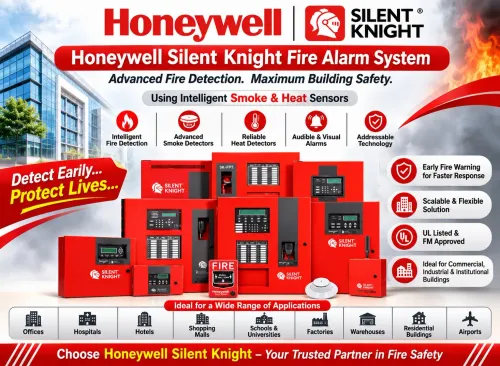
Silent Knight Fire Alarm System by Honeywell_Addressable Intelligent Fire Detection Panel Sensor MCP
Honeywell PIR Motion Sensor Occupancy for Lights Passive Infrared Technology 10Amp 2.8 Meter Dia 5M
Edward Fire Alarm Controller Panel Smoke Detector Heat Detector MCP Hooter System Supply AMC Repair
Honeywell Rack Suppression System- Gas Cylinder and Sensing Tube Based System for Network Racks
Turnstile Tripod Barrier Gate for Restricted Entry-Automatic Card Biometric Face Scanning Gates
Gas Suppression System for Electrical Panel to Automatic Control the Fire By Tubing in Case of Fire
Honeywell Single Loop Fire Alarm Control Panel_159 Detector Addressable Controller with Display
Sparsh CCTV Camera System for Security_IP Dome Camera Bullet Camera Network Video Reocrder DVR PTZ and Software
Honeywell Pro4000-D4PCB 4 Door 4 Reader Controller and Pro4000-D2PCB 2 Door 2 Reader Access Control Software iClass Smart Card Readers and Biometric Door Acecss Control System
Electronic Smart Door Lock for Pivot Door with Both Side Opening with Biometric Fingerprint Card PIN Password Face Scanning
Hikvision IP CCTV Camera- Dome Bullet Indoor Outdoor 2MP 4MP 6MP 8MP Surveilance System
HID Amico Face Reader Biometric Acecss Control Attendance System- Automatic Face Recognition System with HID iClass Smart Card Technology
HID Iclass Access Card 2000PGGMN Card Format H10304 with Programming of Facility Access Code
Lift Access Control System for Multiple Floors having Advance Controller for security of Floors in a High Rise Building
Video Intercom System for Multistory Apartment Buildings and Residential Complexes Villas- Lobby Panels Guard Station for Visitor Verification and Door Camera Units with Indoor Video Screens on Wired and Wireless IP Connectivity
Godrej Video Door Phone- Analogue and IP Video Door Calling Bell Door Locking Security System
Repairing of Honeywell Fire Alarm System Maintenance Programming and Technical Services for Honeywell Morlay Notifier and System Sensor Fire Detection Safety System
Home Security System- Video Door Phone Security Alarm Door Locks Lift Access Control CCTV and Gate Automation
Yale Digital Lock YMI 70A CG Champagne Gold YMI 70AB Black & YMI 70ARB Red Gold
AMC of Honeywell Fire Alarm System
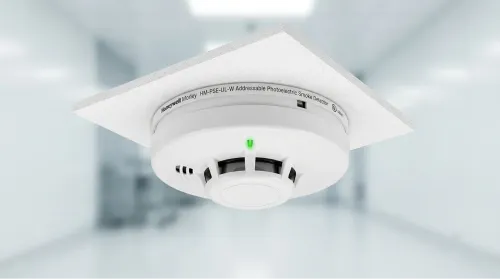
Honeywell Smoke Detector
Honeywell 5M IP CCTV Camera Indoor Dome and Outdoor Bullet Network Cameras
Suprema Biomini Slim2 FAP20 Ultra Slim Biometric Scanner & USB Fingerprint Device
Access Control Cable 8 Core Shielded 24 AWG 4 Core Wire for Door Locks Card Readers Biometric Wire
QR Code Reader Door Access Control Management System for Health Center Nephropathy Center Spa Gym Club
Honeywell PRO4200 Controller PRO42IC Master PRO42R1 and PRO42R2 Reader Interface Door Module Sub Controllers for OSDP and Wiegand Card Readers
Alba Video Door Phone_Alba Urmet Door Calling Bell for Video Intercom with & Inches Screen and Outdoor Day Night Camera
Suprema Bioentry W3 Biometric Access Control System- Fingerprint Machine for Time Attendance and Door Locking Security System
Dorma Electromagnetic EM Locks 600lbs 1200 lbs 1500 lbs and 2400 lbs Suitable for Heavy Secure Doors
Honeywell Pro40004D 4 Door Controller with Enclosure Power Supply and Access Attendance Software WINPAK EONTIME
GSS Super Scanner Metal Detector Security Guard Checking Tool Portable Device
Suprema Biostation3 Biometric Door Access Control and Time Attendance System with Advance Face Recognition Technology and Biostar Software
Lift Face Scan Biometric Locking Security Access Control System Manufacturer Wholesaler
Bosch PA System- Building Announcement and Voice Evacuation PAVA Solutions
Agni Fire Alarm System Smoke Detector Fire Panel MCP Hooter 2 Zone 4 Zone 8 Zone 12 Zone 16 Zone 24 Zone
Two Way Talk Back System for Fire and PA with MIC and Controller
Honeywell IR Dome 5MP IP Fixed Vendal Weatherproof Network CCTV Camera HIPD-5PI- MVF with 2.8mm to 12 mm 30 Meter 30fps IK10 Rating and Inbuilt Audio
Mantra MBAS20 Aadhaar Biometric Attendance Machine with Latest L1 Fingerprint Reader Wholesale Distributor
System Sensor by Honeywell Fire Alarm System Distributor- System Sensor Smoke Detector Panels MCP
Honeywell IP Camera I-HIPB2PI-MF 2 Megapixel Outdoor Bullet CCTV Cameras
Honeywell Network Switch POE Device for IP Camera Networking and Connectivity through RJ45 in LAN
Suprema X-Station 2 Biometric Fingerprint Access Control with QR Code HID Mifare RFID EM Desfire EV1 Ev2 Felica Cards Mobile Access NFC BLE
Suprema FaceStation 2 Face Reader Biometric Access Control Time Attendance Machine with Locking and Software
Suprema BioEntry W2 Biometric Access Control Machine and Attendance System with IK09 and IP67 Impact Ingress Protection
Biometric Guard Tour System- Fingerprint Guard Patrol Monitoring for Security Guards Shift Wise Patrolling
HID Mercury LP1502 Door Controller Distributor
Honeywell IP CCTV Camera Dome 2MP HC25W42R2 with Audio and SD Card Slot from 35 Series
Honeywell PRO4000 Door Access Control System- 4 Door 2 Door Controller with WINPAK Software
ESSL Biometric Attendance System- Finger Face Card Door Access Control with EM Lock Software
RFID Coin Tag- 125 Khz 13,56Mhz Round Black Colour Tags
Honeywell Video Door Phone- Smart Calling Bell with Audio Video for Visitors Outside the Premises Having Electronic Lock
HID Vento Card- Vento Smart Access Card
HID Vento Card Reader- Vento Smart Card Reader
Agni Fire Alarm System- Fire Panel, Smoke Detectors, MCP Hooters
GST Fire Alarm System- Distributor of GST Addressable EN54 CE LPCB UL Listed Fire Alarm Control Panels and Detectors
Morlay Fire Alarm System- Addressable Conventional Controller Detectors MCP Sounder Equipment
Distributor of Cooper Fire Alarm System- Cooper Fire Detectors Control Panels Repeater Panels MCP
Notifier Addressable Fire Alarm System By Honeywell
HID Access Card for Door Access Control & Security
Honeywell Series 35 IP CCTV Camera
Mushroom Type Push Button Switch for Door Electronic Lock Entry and Exit
Manual Override Button for Electronic Door Locking Access Control System
Server Rack Smart Card Biometric Locking System- Rack Front Reader Door Mounted Locks
HID Signo 20 Smart Card Reader
Godrej Video Door Phone with Single and Multi-Floor Button system With Door Electronic Lock
Fingerprint GPRS Guard Tour Reader for Guard Patrolling Movement Tracking and Monitoring Through 4G Sim Connectivity Online
Biometric Identity Verification System for Gate & Doors
Supply Installation Testing & Commissioning of Two Reader Controller Panel Housed in MS Powder Coated Cabinet
GSS Biometric Fingerprint Door Access Control Locking System
Suprema BioLite Net BLN-OC-V2 IP Biometric Fingerprint Access Control Machine
HID 2 DOOR 2 READER VERTEX V2000 CONTROLLER DISTRIBUTOR WITH METAL ENCLOSURE AND POWER SUPPLY
GYM DOOR BIOMETRIC LOCK SYSTEM FOR MEMBERS ENTRY THROUGH FINGERPRINT AND CARD
Suprema BioLite N2 Biometric Access Control Machine with Optical Fingerprint Reader and Display Supporting RFID MultiClassSE HID Prox Mifare Desfire EV1 Felica Cards
SECUREYE S-FB3K Face Recognition Biometric Attendance Machine with Fingerprint Reader
Suprema Biostation L2 Biometric Fingerprint IP Access Control System
ZK WRF100 Wiegand Wireless Reader Frequency 433 MHZ with 13.56MHZ Smart Card RFID
HID RP40 MultiClass 26 Bit Wiegand Card Reader for Proximity Card and IClass Smart Card Reading
Suprema BioEntry P2 Biometric Access Control System
Door Interlocking Controller for 8 Door 4 Door 2 Door Setup to Limit Opening of Door and Security
Prama CCTV Camera & DVR NVR System with Wire Cable and Connector Accessories
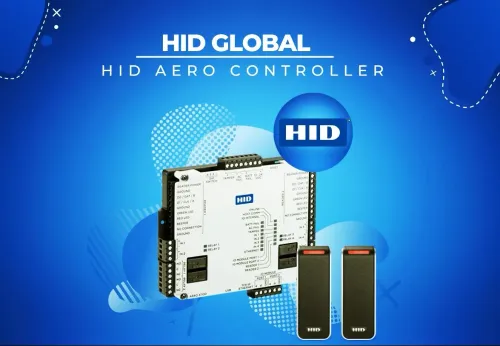
HID Aero™ X100 Door/Reader Interface Module Supports up to 4 readers, 7 inputs, 4 out IN 485 Communication with X1100 Controller
iCLASS Smart Card Reader Honeywell Multi Door Controller Pro3000 Prowatch IPAK2 with WINPAK Software
Morpho Idemia Sigma Lite+ Biometric Fingerprint Access Control System Reader Controller
HID VERTEX V100 Controller Module with Enclosure & Power Supply
Honeywell Biometric Reader HON-FIN4000HID-10K HON-FIN4000EM-10K HON-FIN4000MI-10K HON-FIN4000IC-10K HON-FIN4000MIK-100K HON-FIN4000AC-100K
HID iClass Clamshell Card Part No 2080CMSSV Smart Card Thick Format Configurable with Programming of Internal Card Number FAC Code
HID SMART CARD READER R40 I CLASS 13.56 MHZ ISO155 DISTRIBUTOR ISO14443A MIFARE CSN ISO14443B CSN ISO15693
NOTIFIER BY HONEYWELL ADDRESSABLE INTELLIGENT NEW SMOKE DETECTOR FSP-951 DISTRIBUTOR WHOLESALER
IP65 Waterproof Biometric Access Control System Best Choice For Outdoor Fingerprint Security Access Control
HID Aero X1100 Intelligent Controller for Door Access Control System with Wiegand and OSDP Communication
Forklift Biometric Access Control Machine GSS FACS-810 Fingerprint ON FF Ignition Control System with Industrial Grade Housing & Automation
HID PROXPOINT PLUS 6005 PROXIMITY CARD READER
Honeywell Multi Door Intelligent Controller IP-AK2 with HID Card Reader Proximity or iClass
Honeywell 2Door Controller Pro3000 with Enclosure Power Supply & Access Control Software
DATAMINI AADHAAR BIOMETRIC ATTENDANCE MACHINE TPOS07 WITH ANDROID TABLET 3G AND DATAMINI JP4G ANDROID TABLET 4G IN 7 INCHES DISPLAY
GSS CARD & PASSWORD ELEVATOR ACCESS CONTROL SYSTEM
DISTRIBUTOR OF BEL EMA DOOR LOCKS- 600LBS & 1200LBS WITH FEEDBANCK OR WITHOUT
CP PLUS BODY TEMPERATURE DETECTION THERMAL IMAGING INTELLIGENT SMART TECHNOLOGY CAMERA
TOUCHLESS QR CODE SCAN ACCESS CONTROL SYSTEM FOR DOOR LOCKING AND RESTRICTED ENTRY TO ELEVATORS
INCEPTION DOOR ACCESS CONTROL SYSTEM- WHOLESALER OF ADVANCE 4 DOOR CONTROLLER AND READERS SOLUTION
Contactless Temperature Detection Sensing System with Face Reading for Attendance of Employees and Visitors
Notifier Fire Alarm Control Panel NFS320 Intelligent Addressable Controller Distributor Supplier
REPAIR MAINTENANCE & AMC SERVICES OF BIOMETRIC DOOR ACCESS CONTROL MACHINE AND TIME ATTENDANCE SYSTEM
FORKLIFT CARD ACCESS ON OFF BUTTON ENGINE IGNITION CONTROL SYSTEM
ANVIZ FACE DEEP5 TEOUCHLESS CONATCT FREE ATTENDANCE AND GATE ACCESS CONTROL SYSTEM
SUPREMA BIOMETRIC FACE READER MACHINE FACESTATION2
AUTOMATIC OPENING AND CLOSING SYSTEM FOR HEAVY METAL GATES
HID 2 DOOR VERTEX CONTROLLER AERO SERIES
HONEYWELL IP-AK2 2 DOOR ACCESS CONTROLLER WITH ADVANCE WEB BASED SOFTWARE APPLICATION
NOTIFIER MULTI DETECTOR FAPT-851A SMOKE & HEAT WITH PHOTOELECTRIC AND THERMAL TECHNOLOGY
DOOR INTERLOCKING SYSTEM WITH READERS AND EXIT BUTTONS
NOTIFIER FIRE ALARM SYSTEM DISTRIBUTOR IN MUMBAI CHENNAI BANGALORE AHMEDABAD KOLKATA DELHI CHANDIGARH HYDERABAD MYSORE VISAKHAPATNAM NELLORE KURNOOL KOCHI KOZHIKODE MALAPPURAM PALAKKAD PUNE VELLORE COIMBATORE DINDIGUL NAGAPATTINAM MADURAI PATHANKOT GURDASPUR HOSHIARPUR KAPURTHALA TARAN TARAN SBS NAGAR RUPNAGAR JALANDHAR FIROZPUR MOGA LUDHIANA FARIDKOT SAHIB SAHIBZADA AJIT SINGH NAGAR SANGRUR BARNALA MANSA BATHINDA MUKTSAR FAZILKA MALDA HOOGHLY TRIPURA BHUBANESWAR BARDHAMAN DARJEELING AMRAVATI AURANGABAD PALGHAR THANE HINGOLI NANDED KOLHAPUR SOLAPUR SANGLI SATARA DHARWAD RAMANAGARA
GUARD PATROL MONITORING SYSTEM
VESDA FIRE ALARM ADVANCE DETECTION SYSTEM
Micro BEN Bio Time Attendance Fingerprint Recognition Biometric Devices
Fingerprint Time Attendance & Access Control Terminal Micro BEN Bio – Industrially Rugged
X Match Biometric System Access Control
The Beast Access Control Face Recognition Terminal
The All In One Face Recognition Time Attendance Access Control
The Workhorse Face Recognition For Attendance System
The Performer Facial ID for medium to large enterprises - time/Attendance and Secure Access Control.
Sleek and Long Facial ID for small to medium enterprises, for Time/Attendance and Access Control.
FACE & TEMPERATURE DETECTION ATTENDANCE SYSTEM
EPITOME OF ELEGANCE FACIAL ID TIME ATTENDANCE ACCESS CONTROL SYSTEM
Waterproof Metal Housing Fingerprint Access Control System
Biometric Fingerprint and Card and Password Standalone and No software Offline Access Control System terminal
Standalone Fingerprint Access Control Reader
Fingerprint Reader Time Clocking Machine Attendance Device Standalone
Fingerprint Reader Time Clocking Machine Attendance Device Standalone
Fingerprint Reader Time Clocking Machine Attendance Device Standalone
Fingerprint Reader Time Clocking Machine Attendance Device Standalone
Fingerprint Reader Time Clocking Machine Attendance Device Standalone
Touch Screen Fingerprint Biometric Measurement Time Attendance System
Touch Screen RFID Card Biometric Finger Attendance
Large Capacity Fingerprint Terminal With Web Server Programmable Time Attendance Register Machine
Built in Battery Access Control With SMS Alert GPRS Fingerprint Time Attendance System
Built in Battery Access Control With SMS Alert GPRS Fingerprint Time Attendance System
Built in Battery Access Control With SMS Alert GPRS Fingerprint Time Attendance System
Fingerprint Time Attendance System
Built in Battery Access Control With SMS Alert GPRS Fingerprint Time Attendance System
Built in Battery Access Control With SMS Alert GPRS Fingerprint Time Attendance System
Biometric Guard Tour System
Built in Battery Access Control With SMS Alert GPRS Fingerprint Time Attendance System
Built in Battery Access Control With SMS Alert GPRS Fingerprint Time Attendance System
Built in Battery Access Control With SMS Alert GPRS Fingerprint Time Attendance System
Built in Battery Access Control With SMS Alert GPRS Fingerprint Time Attendance System
Built in Battery Access Control With SMS Alert GPRS Fingerprint Time Attendance System
Fingerprint Biometric Access Control Device
Fingerprint Biometric Access Control Device
Biometric Wiegand Fingerprint Reader Access Control System
Touch Key Fingerprint Biometric Access Control Device
Touch Key Fingerprint Biometric Access Control Device
Hot Waterproof Metal Case Biometric RS485 Wifi Tcp/ip Rfid Door Access Control Wiegand Gate Security Cloud Fingerprint Access
Metallic TCP/IP Wifi Capacitive Fingerprint Sensor Network Access Control System
Biometric Palm & Fingerprint & Facial Attendance Machine
Biometric Palm &Fingerprint $Facial Attendance Machine
Biometric Fingerprint Reader Facial Attendance Machine
Biometric Fingerprint Reader Facial Standalone Excel Output Attendance system
Biometric Fingerprint Reader Facial Attendance Machine
Biometric Fingerprint Reader Facial Attendance Machine
Biometric Fingerprint Reader Facial Attendance Machine
Palm & Facial Recognition Time Attendance Professional Touch Screen Biometric Security Camera Identification Door Access Control System
PROFESSIONAL TOUCH SCREEN BIOMETRIC SECURITY CAMERA FACIAL IDENTIFICATION ACCESS CONTROL FACE RECOGNITION DOOR ACCESS SYSTEM
Face ID PROFESSIONAL TOUCH SCREEN BIOMETRIC SECURITY CAMERA FACIAL IDENTIFICATION ACCESS CONTROL FACE RECOGNITION DOOR ACCESS SYSTEM
Face ID FACIAL IDENTIFICATION ACCESS CONTROL FACE RECOGNITION DOOR ACCESS SYSTEM
DYNAMIC FACIAL RECOGNITION ACCESS CONTROL TERMINAL
NFS2-3030 Intelligent Addressable Fire Alarm System
T THERMOMETER FOREHEAD INFRARED THERMAL FACE RECOGNITION TIME ATTENDANCE AND ACCESS CONTROL
TEMPERATURE DETECTION FACE RECOGNITION TERMINAL
NO CONTACT K9 PRO AUTOMATIC THERMOMETER DISPENSER
TEMPERATURE DETECTION FACE RECOGNITION TERMINAL
PLUS TEMPERATURE DETECTION FACE RECOGNITION TERMINAL
DYNAMIC FACIAL RECOGNITION ACCESS CONTROL
Dynamic Face Recognition Terminal
Dynamic Facial Recognition access control
HONEYWELL PAVA PA, Compact Class-D Mixer Amplifier with Audio Source & Paging Station HN-5300R
HONEYWELL PAVA PA,Compact Class-D Mixer Amplifier with Audio Source & Paging Station HN-5240R
HONEYWELL PAVA PA,Compact Class-D Mixer Amplifier with Audio Source & Paging Station HN-5120R
HONEYWELL PAVA PA ,HN-S600P MIXER AMPLIFIER
HONEYWELL PAVA PA,HN- 660 Power Amplifier
HONEYWELL PAVA PA,HN-A480 POWER AMPLIFIERS
HONEYWELL PAVA PA ,SYSTEM HN-A240BP POWER AMPLIFIERS
HONEYWELL CEILING LOUDSPEAKER HN-CL06
HONEYWELL MORLEY OSID OPEN AREA SMOKE DETECTION: OSID IMAGER
HONEYWELL MORLEY MANUAL CALL POINT MCP5A RANGE
HONEYWELL MORLEY CONTROL PANELS: HRZ-4E
HONEYWELL MORLEY BEAM DETECTORS: CONVENTIONAL REFLECTIVE IR BEAM DETECTOR
HONEYWELL MORLEY TWO LOOP CONTROL PANEL THE DX CONNEXION: DXC2
HONEYWELL MORLEY FIRE ALARM CONTROL PANEL THE DX CONNEXION: DXC1
Honeywell Morley Intelligent Addressable Fire System Control Panel HRZ-2E
HONEY WELL MORLEY FIRE ALARM CONTROL PANELS: HRZ-8E
ADVANCE CARD READER GS 803 LIFT ACCESS CONTROL SYSTEM
FACE READER LIFT ACCESS CONTROL SYSTEM WITH AUTOAMTIC FACE SCANNIGN FORE FLOOR BUTTONS IDNETIFICATION AND SECURITY CONTROL
Notifier Honeywell 851 Series Photoelectric Smoke Detectors Intelligent Devices
Honeywell Notifier Thermal- Heat Detectors Fire Warden Series
HONEYWELL NOTIFIERF STROBES SYSTEM SENSOR SGRL, SGWL, SCRL, SCWL, SCWL-CLR-ALERT, SRL, SRL-P, SRL-SP, SWL, SWL-ALERT, SWL-CLR-ALERT, SWL-P
NOTIFIER HONEYWELL 10 LOOP FIRE ALARM CONTROL NFS2-3030D- INTELLIGENT ADDRESSABLE FIRE ALARM CONTROLLER
NOTIFIER HONEYWELL 2 Loop Fire Alarm Control Panel [ONYX-Series] NFS2-640
NOTIFIER HONEYWELL 1 Loop Fire Alarm Control Panel [ONYX-Series] NFS-320
COOPER Ultra low current wall sounder for addressable fire systems
COOPER MANUAL CALL POINT FOR ADDRESSABLE FIRE ALARM SYSTEMS
COOPER Optical Photo Thermal & Heat Addressable Detector Range
COOPER CF3000 Intelligent Addressable Advance High Specification Fire Alarm System Panel
COOPER Visual Fire Alarm Devices VADS for Addressable Fire Detection Systems
SYRIS Smart Card Keypad Proximity Reader
SYRIS Door Card Reader System
SYRIS Standard Proximity HF RFID Reader 125 KHZ Smart Card 13.56 mhz
SYRIS Multi Door Controller For Door Security Locking
SYRIS Door Controller PCB SY230NT4 For Door Card Scanning
SYRIS 4 Door Controller For RFID Card Reading and Door Locking
SYRIS SY260NT V3F Multi Door Compact Type Controller For Door Security
SYRIS Multi Door Network Controller Distributor
SYRIS Multi Door Controller for Card Reading Access Control SY260NT- V4A
Suprema Bio Station 2 IP Finger Access Control Terminal
Suprema Bio station A2 Biometric Door Access Control Attendance System with TA Software
Suprema Face Lite Contactless Attendance and Door Access Control System
Suprema Face station2 Touchless Face Recognition Time Attendance & Access Control System
HOCHIKI FIRE ALARM SYSTEM
REPAIRING CENTER FOR REALTIME T502 AADHAAR BIOMETRIC ATTENDANCE MACHINE
INTELLIGENT ADDRESSABLE MICROPROCESSOR BASED FIRE ALARM SYSTEM- FIRE PANEL, DETECTOR, MCP, SOUNDER, HOOTERS, INTEGRATION MODULES & LOOP CARDS
SINGLE IRIS SCANNER EPI 1000 IRIS SCANNER- BIOMATIQUE SINGLE IRIS DEVICE WITH USB COMMUNICATION
KENT CAM ATTENDANCE FACE DETECTION TIME ATTENDANCE SYSTEM WITH AUTO DATA COLLECTION AND EMPLOYEE FACE MASK DETECTION
HID BIOMETRIC READER RKLB 40 FOR DOOR ACCESS CONTROL AND TIME ATTENDANCE
ZKTECO TEMPERATURE DETECTION BIOMETRIC FACE READER ATTENDANCE SYSTEM SPEEDFACE-V5LTD
HONEYWELL 2 MEGAPIXEL 1080P HD DOME AND BULLET CCTV CAMERA SYSTEM FOR SECURITY MONITORING
ALGATEC UL LISTED EM LOCKS - 600LBS 1200 LBS ELECTROMAGNETIC LOCK U BRACKET L BRACKET Z BRACKET EXIT BUTTON FOR DOOR EGRESS EDR
HID OMNIKEY 5022 CONTACTLESS USB SMART CARD READER
HID OMNIKEY 3121 USB DESKTOP READER USB SMART CARD READER
ALGATEC UL LISTED EM LOCKS - 600LBS 1200 LBS ELECTROMAGNETIC LOCK U BRACKET L BRACKET Z BRACKET EXIT BUTTON FOR DOOR EGRESS EDR
HONEYWELL ELEVATOR ACCESS CONTROL SYSTEM- ELEVATOR SECURITY AND CONTROL THROUGH SMART CARD READERS CONTROLLER AND BIOMETRIC FINGERPRINT SYSTEM
HID LIFT ACCESS CONTROL SYSTEM- CARD AND BIOMETRIC READER AND CONTROLELR
HONEYWELL BIOMETRIC FINGERPRINT DOOR ACCESS CONTROL READER HON-BIOEM-3000W AND HON-BIOMI-3000W
AUTOMATIC CURTAIN MACHINES- BLINDS AUTOMATIC FOLDING SYSTEM
HONEYWELL BIOMETRIC DOOR ACCESS CONTROL AND ATTENDANCE SYSTEM- MODEL 5000TA
CNC MACHINE OPERATING PANEL CONTROL SYSTEM- BIOMETRIC FINGER AND RFID CARD READING MACHINES
IRITECH SINGLE IRIS SCANNER MK2120UL WITH RD SERVICE AND ACTIVATION SUPPORT IN APPLICATIONS AND PROJECTS
AJAX SECURITY ALARM SYSTEM WITH WIRELESS SENSORS AND MOBILE APPLICATION FOR ALERTS ON IMMEDIATE BASIS
AUTOMATIC DOOR OPERATING - INTERNAL DOOR APPLICATION CS 80 MAGNEO
NOTIFIER BY HONEYWELL FIRE ALARM SYSTEM AND ACCESSORIES - WHOLESALE PRICES BY DISTRIBUTOR
HONEYWELL HON BIOEM 3000WK BIOMETRIC FINGER READER DOOR ACCESS CONTROL SYSTEM
TOUCH FREE LIFT OPERATING SYSTEM THROUGH MOBILE APP AND MOBILE AS ACCESS CARD
COFE WIRELSS 4G ROUTER DEVICE FOR SIM INTERNET CONNECTIVITY
HONEYWELL CONTROLLER FOR CARD READER DOOR ACCESS CONTROL SECURITY SYSTEM- HID RFID PROXIMITY MIFARE SMART CARD TECHNOLOGY
BODY TEMPERATURE CHECKING AND FEVER DETECTION FACE READING ATTENDANCE MACHINE AND DOOR ACCESS CONTROL SECURITY LOCKING MACHINE
ESSL FACE RECOGNITION AND BODY TEMPERATURE DETECTION ATTENDANCE SYSTEM WITH DOOR LOCKING AND BARRIER GATE ACCESS CONTROL MODEL FACE-TM900
COMMON ACCESS CARD FOR TIME ATTENDANCE MACHINE AND BIOMETRIC FINGERPRINT DOOR ACCESS CONTROL MACHINE MAKE DIFFERENT MAKE AND COMPANY
FACE READER ELEVATOR ACCESS CONTROL SYSTEM WITH TOUCHLESS ACCESS TO LIFT BUTTONS OUTSIDE THE LIFT OR INSIDE THE LIFT CARD ON COP
HIKVISION FACE RECOGNITION TEMPERATURE SCREENING AND ATTENDANCE RECORDING DOOR ACCESS CONTROL SYSTEM
ACCESS CARD FOR SMART I BIOMETRIC TECHNOLOGY ATTENDANCE AND DOOR ACCESS CONTROL LOCKING UNLOCKING MACHINES
TIME ATTENDANCE ACCESS CARD FOR MATRIX BIOMETRIC FINGERPRINT READER ATTENDANCE MACHINE
DIGITAL TEMPERATURE DETECTION SYSTEM WITH DISPLAY AND ALARM FOR HIGH BODY TEMPERATURE OF FEVER
REALTIME GSS PRO1800 FACE DETECTION ATTENDANCE SYSTEM WITH RECOGNITION OF FACE FINGERPRINT WITH 7 INCHES DISPLAY
REALTIME CONTACTLESS PALM AND FACE READING ATTENDANCE SYSTEM T401F
REALTIME FACE RECOGNITION ATTENDANCE AND DOOR ACCESS CONTROL PRO1500 BIOMETRIC FACIAL DETECTION SYSTEM
REALTIME PRO1400T FACE RECOGNITION TEMPERATURE CHECKING ATTENDANCE AND DOOR ACCESS CONTROL MACHINE
REALTIME PRO1400 FACE RECOGNITION HIGH SPEED LONG RANGE ATTENDANCE SYSTEM WITH DOOR LOCKING CONTROL
THERMAL IMAGING CAMERA FOR BODY TEMPERATURE MEASUREMENT AND DISPLAY PORTABLE AND STAND MOUNTED CAMERA
RFID CARD FOR ZKTECO BIOMETRIC FINGERPRINT ATTENDANCE AND BIOMETRIC ACCESS CONTROL MACHINE
THERMAL CAMERA FOR TEMPERATURE MONITORING AND MEASUREMENT TO DISPLAY ON SCREEN WITH STAND
TEMPERATURE MEASUREMENT AND DISPLAY MACHINE WITH ATTENDANCE MARKING THROUGH FACE READER FROM LONG DISTANCE
ACCESS CARD FOR REALTIME BIOMETRIC ATTENDANCE AND ACCESS CONTROL MACHINE
TEMPERATURE MEASUREMENT AND MONITORING AUTOMATIC FACE READING MACHINE FOR ATTENDANCE AND DOOR ACCESS CONTROL
ESSL FACE RECOGNITION ATTENDANCE MACHINE EFACE 990 WITH ACCESS CONTROL FEATURE
ESSL HIGH SPEED CONTACTLESS FACE DETECTION AND BIOMETRIC ATTENDNACE SYSTEM AND ACCESS CONTROL SYSTEM
ESSL FACE READER SILKFP101TA FINGERPRINT DETECTION BIOMETRIC ATTENDANCE SYSTEM AND DOOR ACCESS CONTROL SYSTEM
ESSL SPEEDFACE V5 FACIAL RECOGNITION ATTENDANCE AND ACCESS CONTROL SYSTEM
GUARD TOUR MONITORING AND GUARD PATROLLING CHECK SYSTEM WITH COMPUTERISED DATA REPORTING
MORPHO BIOMETRIC FINGERPRINT ACCESS CONTROL SIGMA LITE SYSTEM WITH ADVANCE HID AND BIOSCRIPT COMPATIBILITY
FACIAL RECOGNITION BIOMETRIC ACCESS CONTROL AND ATTENDANCE SYSTEM BY IDEMIA IN PORPHO SERIES BASED ON ARTIFICIAL INTELLIGENCE TECHNOLOGY
IDEMIA MORPHOWAVE HAND BIOMETRIC ACCESS CONTROL MACHINE FOR ENTRY MANAGEMENT
INTELLIGENT FACE MASK DETECTION & TEMPERATURE CHECK BIOMETRIC ATTENDANCE SYSTEM FOR STAFF AND WORKERS
CONTACTLESS TEMPERATURE CHECKING FACE BIOMETRIC ATTENDANCE SYSTEM FOR HIGH BODY TEMPERATURE SCANNING AND MEASUREMENT
TEMPERATURE BASED FACE RECOGNITION BIOMETRIC ATTENDANCE SYSTEM FOR TOUCH LESS AUTOMATIC ATTENDANCE RECORDING
INFRARED WALL MOUNTING IOT THERMOMETER FOR STAFF BODY TEMPERATURE CHECKING WITH DIDPLAY
CAMERA FOR TEMPERATURE SCANNING & MEASUREMENT FOR DISPLAYING INCOMER BODY TEMPERATURE DETAILS
HID CARD PROXIMITY TECHNOLOGY AND ICALSS SMART CARD TECHNOLOGY BASED READER WITH DOOR CONTROLLER WHOLESALER DISTRIBUTOR
AUTOMATIC FACE READING GATE WITH HUMAN BODY TEMPERATURE SCANNING AND EMPLOYEE ATTENDANCE
ADVANCE BIOMETRIC WITH TEMPERATURE SCANNING FROM HUMAN BODY WITH FACE DETECTION AND ATTENDACE MARKING
IRITECH IRIS SCANNER MK2120U IN JEEVAN PRAMAAN FOR PENSION DIGITAL LIFE CERTIFICATE DLC
BIOMETRIC KIT FOR AYUSHMAAN BHARAT- BIOMATIQUE IRIS SCANNER STARTEK FINGERPRINT SCANNER RETSOL QR CODE SCANNER
Ayushmaan Bharat Mantra Biometric Single Finger Iris Scanner and QR Code Reader Kit
SECUREEYE MULTI DOOR IP BASED 4 DOR 8 READER CONTROLLER FOR ACCESS CONTROL SYSTEM
SECURE EYE FACE READER FINGER CARD BIOMETRIC ATTENDANCE ACCESS CONTROL SYSTEM
Secureeye Biometric Attendance Machine S-B9CB Standalone IP FIngerprint Reader
Secureeye S-B65C IP Fingerprint Biometric Device
MANTRA MBIOG2 BIOMETRIC ATTENDANCE ACCESS CONTROL SYSTEM- FINGERPRINT READER
MANTRA MBIOG2 BIOMETRIC FINGERPRINT ATTENDANCE ACCESS CONTROL SYSTEM
Mantra MBIO5N Biometric Fingerprint Attendance Access Control System
mANTRA MSD1K FACE READER BIOMETRIC ATTENDANCE SYSTEM
Mantra Biometric Attendance System MBIO G1
YALE ELECTONIC LOCK DIGITAL KEY CARD PASSWORD FINGER LOCKING
Repairing and AMC of Biometric Fingerprint Attendance Machine
Smart i Biometric Door Access & Attendance System
ESSL BIOMETRIC ATTENDANCE DOOR ACCESS CONTROL SYSTEM X990 MACHINE
Realtime Biometric Fingerprint Door Access Control Attendance System T28
REALTIME ECO S C121TA BIOMETRIC ATTENDANCE AND DOOR ACCESS CONTROL FINGERPRINT CARD BIOMETRIC ATTENDANCE SYSTEM
BIOMETRIC FINGERPRINT SCANNER FOR INDIA POST PAYMENT CARD AND AYUSHMAN BHARAT CARD
BIOMETRIC MACHINE FOR AYUSHMAN BHARAT APPLICATION- USB SCANNER
Mantra Iris Reader MIS100V2 USB
Finger Scanner Iris Scanner QR Code Scanner for Ayushman Bharat Scheme National Health Mission
MISTAB MANTRA IRIS AADHAAR ATTENDANCE SYSTEM
Biometric Finger and Card Door Access Control System with Remote Control
Gym Entry Management Biometric Fingerprint Door Access Control System
Automatic School Attendance System Card
Guard Patrol Monitoring System- RFID Reader Device with Software for Reporting
Realtime RS405 Aadhar Enabled Biometric Attendance Device
Notifier Fire Alarm System
HID Card Access Control System
Spectra Access Control System Multi Door Controller 4 Door 2 Door Card Reader Devices
Edward Fire Alarm System
Honeywell Fire Alarm System
Digital Persona U.are.U.4500 Biometric Fingerprint Scanner- Cross Match
Digital Persona U.are.U.5100 Biometric Fingerprint Scanner- Cross Match
Nitgen eNBioScan- C1 (HFDU08) Biometric Fingerprint Scanner FBI & STQC Certified
Futronic FS 80H Biometric Fingerprint Scanner USB2.0- Fulcrum Biometric USA
Texecom Intrusion Alarm System- Security System for Home office Showroom & Warehouses
Mantra Iris Scanner- MIS100 Iris Sensor for Aadhar Authentication
Mantra BioTime16W Biometric Attendance System
AADHAAR ENABLED BIOMETRIC ATTENDANCE SYSTEM MANTRA MFSTAB
Iritech Iris Scanner- MK2120UL
SecuGen Hamster Pro20
Access Control System
Addressable Fire Alarm System
Biometric Attendance System
Aadhaar Linked Biometric Attendance System
PC Login Fingerprint Scanner
Mantra Aadhaar Enabled Biometric Attendance System
Mantra MFS 200 Fingerprint Scanner
Voice Alarm System
Access Control System
Startek FM220 Fingerprint Scanner
Mantra MFS 100 Fingerprint Scanner
ACCESS CONTROL SYSTEM
Conventional Fire Alarm System
ELEVATOR CARD AND BIOMETRIC READER ENTRY ACCESS CONTROL SYSTEM
Burglar Alarm System
Lift Access Control System
Wireless Intrusion Alarm System
Aadhar Enabled IRIS Biometric Attendance System
Biometric Fingerprint Scanners Morpho MSO1300E3 USB & Micro
Realtime T502 Aadhaar Enabled Biometric Fingerprint Machine
Fire Alarm System
FACE RECOGNITION BIOMETRIC ATTENDANCE SYSTEM FOR CONTACTLESS ATTENDANCE MARKING
Book Appointment
Fee Rs 400
In-clinic
Video Call
August 2023
Sun
Mon
Tue
Wed
Thu
Fri
Sat
Request Appointment
By clicking on ‘Send Request’, you choose to agree to our Terms & Conditions.
Slot Selected
06:00 PM - 06:30 PM
Holistic Package
Appointment Fee: INR 200INR 500
By clicking on ‘Send Request’, you choose to agree to our Terms & Conditions.